
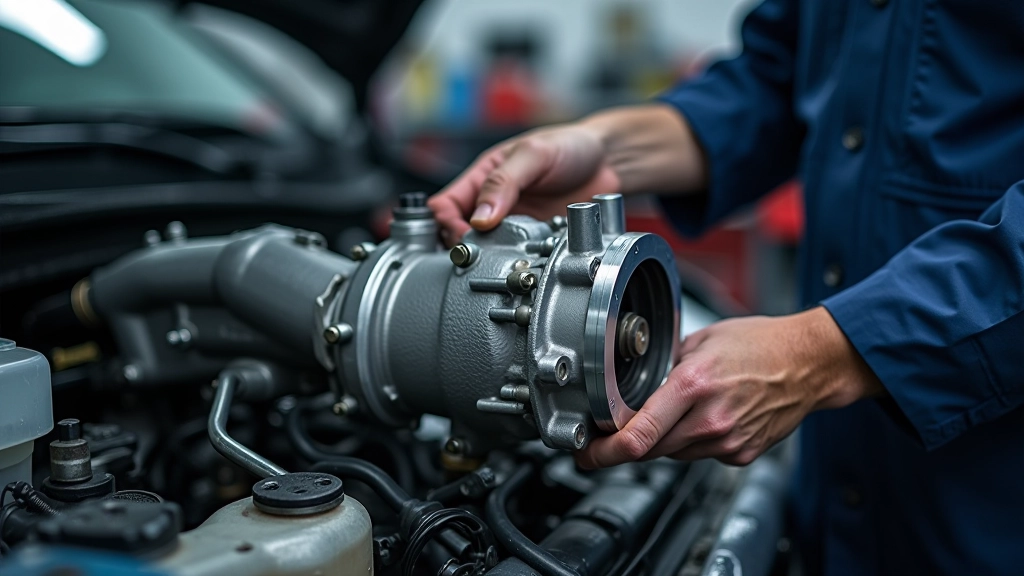
The Connection Between Timing Belts and Water Pumps
Here's the thing — your water pump isn't directly connected to the timing belt. But they're driven by the same mechanism, which means they wear out on roughly the same schedule. When your timing belt reaches the end of its life, your water pump usually isn't far behind.
Most water pumps last between 60,000 and 100,000 kilometers, while timing belts typically need replacement around 80,000 to 120,000 kilometers. The overlap is significant. It's not that you must replace them together — it's that delaying the water pump replacement after a timing belt service usually means another expensive visit in just a few years.

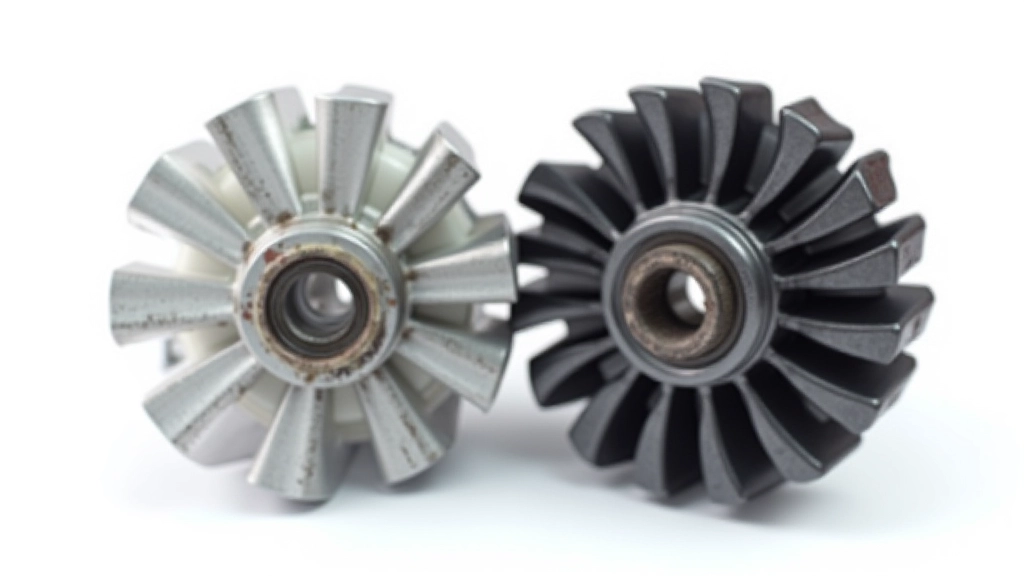
Why Water Pumps Fail at This Stage
Water pumps fail due to bearing wear and seal deterioration — not sudden breakage. The pump's internal bearings degrade gradually from constant rotation and heat exposure. By the time your timing belt needs replacement, those bearings have typically been spinning for 80,000+ kilometers in coolant that's been cycling through your engine at temperatures exceeding 90°C.
The seals around the pump shaft wear down too. You might notice a small leak under your car after parking, or coolant residue around the pump housing. Don't ignore these signs — a failed water pump can lead to overheating, which damages your entire cooling system and potentially your engine.
Cost Comparison That Matters
Replacing your water pump during timing belt service adds roughly 20-30% to the labor cost, since the mechanic's already in there with everything disassembled. Doing it separately, months or years later, means paying full labor costs again — often €150-300 more in total. Plus you'll have another day without your vehicle.
The Labor Efficiency Factor
When your mechanic's replacing your timing belt, they've already removed the serpentine belt, tensioner, pulleys, and often the alternator and power steering pump. The water pump sits right there in the middle of all this. Swapping it out takes 20-30 additional minutes of work — not the 2-3 hours it would take if you came back when the pump actually failed.
That efficiency matters. You're not paying the shop to disassemble and reassemble your entire engine bay twice. You're not buying replacement hoses and clamps twice. You're not wasting a morning at the garage on two separate occasions. Everything lines up when you do it during timing belt service.
Related Topics You Might Find Useful
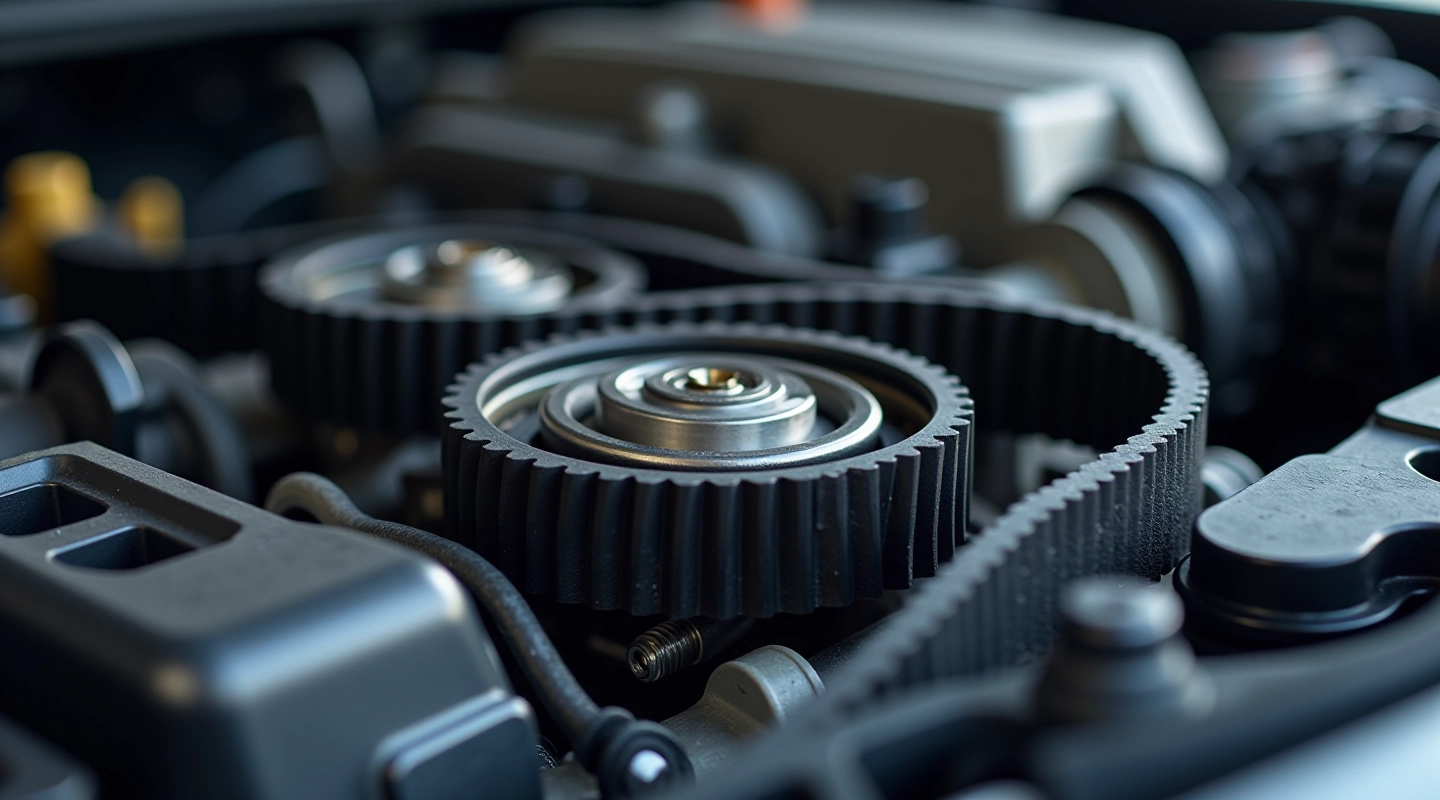
When to Replace Your Timing Belt: Signs and Schedule
Understanding timing belt wear patterns helps you avoid expensive engine damage. Learn the key warning signs and recommended replacement intervals.
Read Guide →
OEM vs Aftermarket Timing Belts: Which Should You Choose
Breaking down the differences between OEM and aftermarket parts — what matters for reliability, warranty, and long-term performance.
Read Guide →
Timing Belt Replacement Cost in Ostrava: What to Expect
A practical breakdown of timing belt replacement costs — parts, labor, and additional work often discovered during service.
Read Guide →
What Happens If You Skip It
Delaying water pump replacement after timing belt service usually costs you within 2-4 years. Your new timing belt performs perfectly, but your aging water pump continues degrading. One day you'll notice coolant leaking, or your temperature gauge creeping higher. That's when you're back at the shop for emergency work.
The real risk? A pump failure while you're driving. Coolant loss leads to overheating. Overheating warps your cylinder head, damages gaskets, and can seize your engine. A €300-500 preventative water pump replacement suddenly becomes a €2,000+ engine repair. It's not worth the gamble.
Making the Smart Choice
Your mechanic isn't trying to upsell you when they recommend replacing your water pump with your timing belt. They're saving you money, hassle, and the risk of breakdown. The parts age together, the labor costs overlap, and the long-term savings are real.
When your timing belt replacement is scheduled, ask your mechanic to inspect your water pump. If it's showing wear — coolant residue, bearing play, or age — get it replaced during the same service. You'll sleep better knowing your cooling system is solid for the next 80,000+ kilometers.
Disclaimer
This article is provided for informational purposes only and reflects general automotive service practices. Specific vehicle requirements vary by make, model, year, and manufacturer recommendations. Always consult your vehicle's owner manual or a qualified mechanic for guidance on your particular situation. The timing belt and water pump replacement intervals, costs, and procedures described here are based on typical scenarios and may not apply to your vehicle. We recommend getting a professional inspection and quote from a certified mechanic before making any service decisions.